Healthy Food Access
Enriching the lives of refugee families by providing a safe space to grow nutritious food and build genuine community.
Struggling with isolation
Newly resettled refugees often navigate intense isolation. As they adjust, it’s important for New Americans to stay connected to their cultural identity and to access familiar, healthy foods, like the fresh produce they’ve long used to create beloved heritage dishes.
A garden that grows more than food
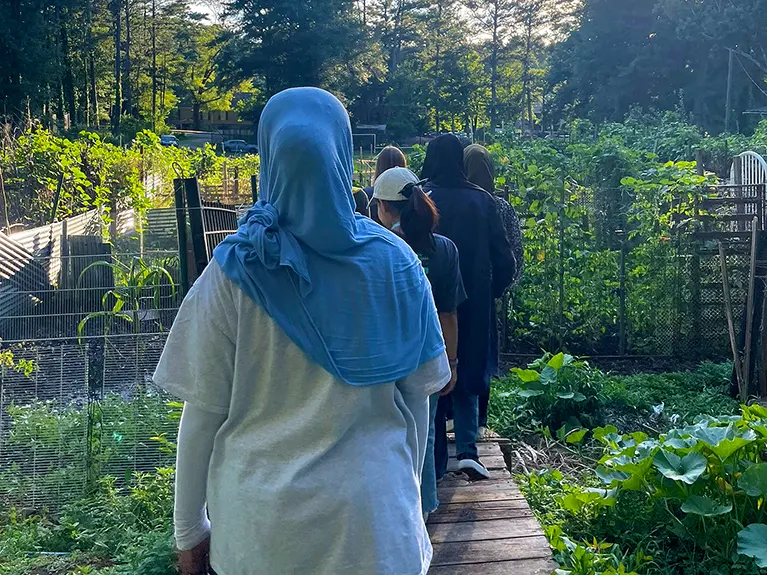
That’s why Jolly Avenue Garden makes such a difference. For New American families living in apartments without access to growing space, the garden plots at Jolly Avenue become more than places to grow vegetables—they’re spaces to nurture connection to others in the community and for refugee gardeners to use their skills to grow fresh food for their families and neighbors. Here, refugee gardeners cultivate produce from their home, pass on valuable agricultural knowledge to the next generation, and have access to abundant green space where both healthy food and community thrive.
“My mom gave birth to my newest sibling, so it has been helpful to my parents to bring vegetables home.”
-Ko
Join the garden
Garden plots
There are 93 community plots for rent. Each plot is 9ft x 9ft. One plot/per family.
If multiple families want to grow together, plots can be combined for a larger communal growing space.
Questions?
contactus@friendsofrefugees.com
Eligibility
Garden Plot registration starts the first week of March and is open to families who live near the garden in Clarkston.
Volunteering
Volunteer requirements
Please note this volunteer opportunity consists largely of physical labor.
- Able to interact humbly, and winsomely, with people from other cultures, required.
- Willing to work outdoors in varying weather. conditions, required
- Able to bend, kneel, or squat to ground level for extended periods, highly preferred.
- Able to lift 15-20 lbs, preferred.
- Weekday availability, preferred.
Note: As part of the onboarding process, all volunteers are required to attend the Introduction to Friends of Refugees workshop before volunteering for a program.